In today’s hyper-competitive business landscape, efficiency is no longer optional—it’s survival. For years, companies have relied on multiple disconnected tools to manage operations: one for accounting, another for sales, a separate system for quality checks, and yet another for documents. While this patchwork approach once seemed practical, it now creates more problems than solutions.

As organizations scale, they are rapidly shifting toward unified management systems that bring everything under one digital roof. From a robust Documents Management System (DMS) to an integrated Quality Management System (QMS), advanced Point of Sale (POS) platforms, and intelligent CRM Software Inventory Management, unified solutions are redefining operational excellence.
Let’s explore why businesses are replacing disconnected tools and how integrated systems are transforming performance, compliance, and growth.
The Problem with Disconnected Business Tools
Many companies still operate with siloed systems:
- Documents stored in shared drives
- Quality audits tracked in spreadsheets
- Sales recorded in standalone POS software
- Customer data managed separately in CRM tools
At first glance, these systems may appear functional. However, as operations grow more complex, disconnected tools create serious challenges:
- Data duplication and inconsistencies
- Lack of real-time visibility
- Manual data entry errors
- Compliance risks
- Higher operational costs
- Slow decision-making
For example, if your Business Inventory Management System is not connected to your POS, you risk stock mismatches. If your IT Document Management System doesn’t integrate with your QMS, compliance audits become time-consuming and stressful.
This is why businesses are now embracing unified management platforms.
What Is a Unified Management System?
A unified management system integrates core business functions into a single, synchronized environment. Instead of juggling multiple tools, companies manage operations through connected modules such as:
- Documents Management System (DMS)
- Quality Management System (QMS)
- Point of Sale Systems (POS)
- CRM Software Inventory Management
- Chemical Inventory Management Software
- Accounting and Financial Tools
When these systems communicate seamlessly, businesses gain full control, transparency, and operational agility.
The Role of Documents Management System (DMS)
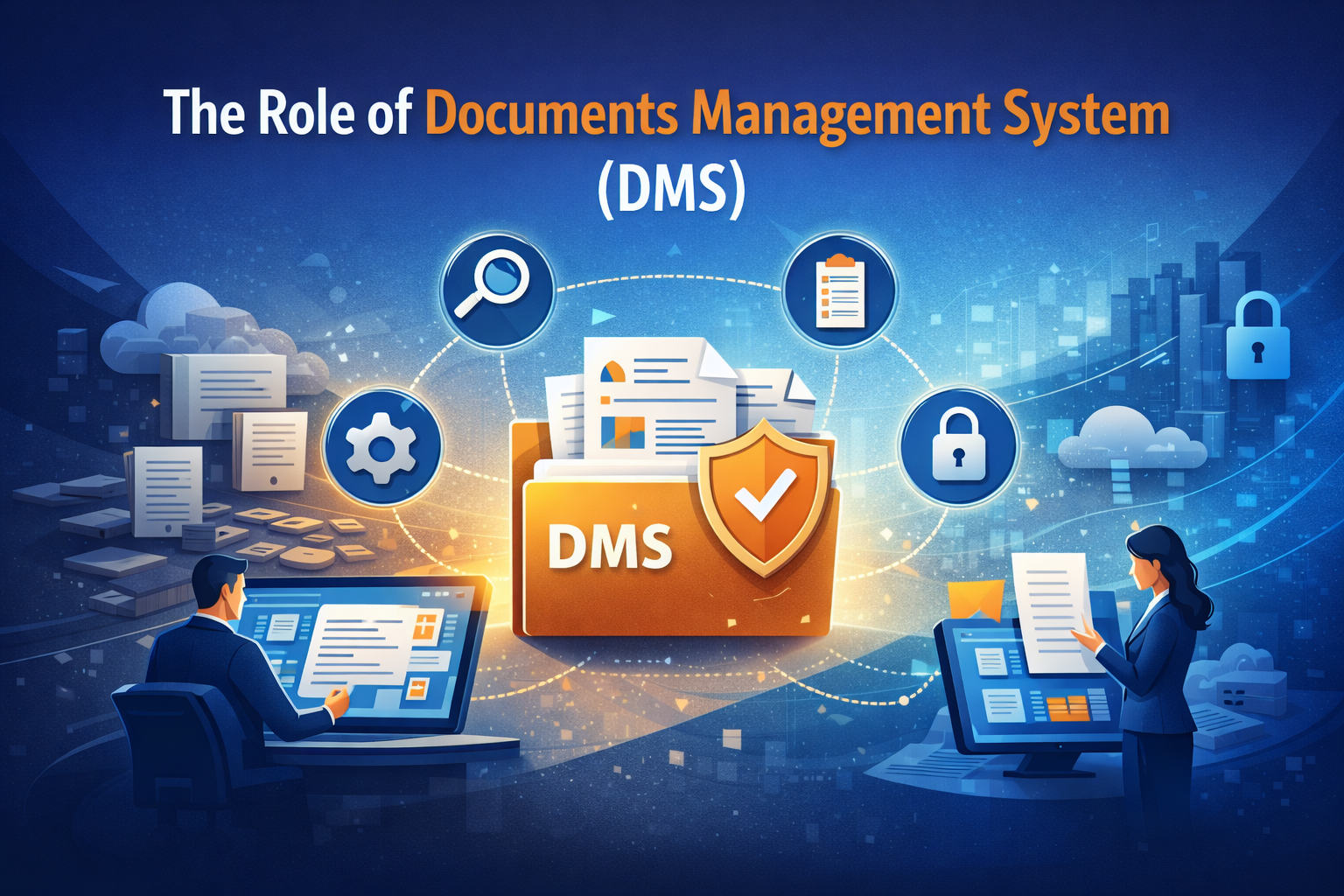
A Documents Management System is often the backbone of a unified platform. Businesses generate enormous volumes of documents daily—contracts, invoices, SOPs, compliance reports, quality manuals, HR files, and more.
Without structured Documents Storage and Management, companies face:
- Lost files
- Version control issues
- Security vulnerabilities
- Audit non-compliance
The Best Documents Management Software centralizes all documentation in a secure, searchable repository. Features like role-based access, automated workflows, and version tracking make it easier to maintain regulatory compliance.
For large organizations, an Enterprise Documents Management System provides scalability, automation, and integration with ERP, QMS, and CRM platforms.
Similarly, an IT Document Management System ensures technical documentation, system logs, policies, and cybersecurity records remain organized and audit-ready.
When documents are structured and accessible, decision-making becomes faster and more accurate.
Quality Management System (QMS): Driving Compliance and Excellence
In industries such as pharmaceuticals, manufacturing, food processing, and healthcare, quality is non-negotiable. A disconnected approach to quality management—using spreadsheets and manual tracking—invites compliance failures.
A modern Quality Management System (QMS) integrates:
- Audit management
- CAPA tracking
- Risk management
- Document control
- Compliance reporting
An Advanced Quality Management System provides automation that reduces manual intervention and human error. Real-time dashboards help management identify issues before they escalate.
For highly regulated sectors, selecting the Top QMS Software for Pharmaceutical Industry is crucial. Pharmaceutical companies must comply with strict regulations, and a centralized system ensures every quality process is traceable and documented.
In addition, Quality Audit Management Software simplifies internal and external audits by organizing records, scheduling inspections, and generating reports instantly.
When QMS integrates with DMS, compliance documentation becomes seamless—no more last-minute scrambling during audits.
POS Systems: Beyond Basic Sales Processing
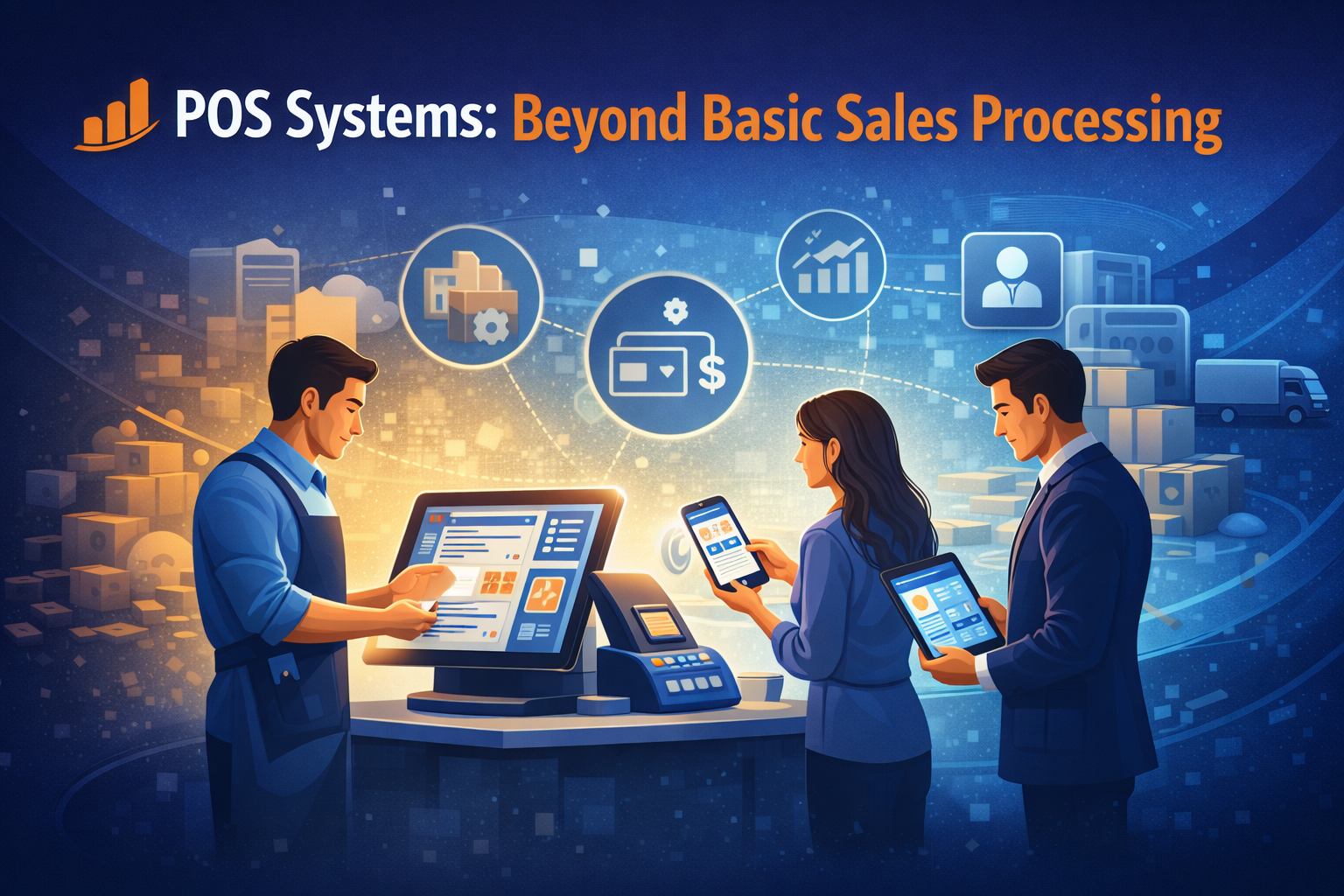
Traditionally, Point of Sale Systems were limited to billing and receipt printing. Today, they are intelligent business hubs.
Modern Point of Sale Solutions for Small Business integrate:
- Sales tracking
- Inventory management
- Customer data
- Accounting
- CRM
- Analytics
The Best POS System of Small Business does far more than process transactions—it provides insights into customer buying behavior, top-performing products, and inventory turnover.
Businesses also prefer the Best POS and Accounting Software that synchronizes financial data automatically, eliminating the need for manual bookkeeping.
When POS integrates with CRM and inventory modules, companies can:
- Track stock in real time
- Avoid overstocking or stockouts
- Launch personalized promotions
- Improve customer retention
This integration significantly improves operational efficiency and profitability.
CRM Software Inventory Management: Connecting Customers and Stock
Customer expectations are higher than ever. Businesses must deliver personalized experiences while maintaining accurate inventory levels.
CRM Software Inventory Management connects sales, customer data, and stock levels in one system. This enables businesses to:
- View purchase history instantly
- Offer tailored promotions
- Monitor buying trends
- Forecast demand accurately
When integrated with POS and a Business Inventory Management System, CRM tools provide a complete 360-degree view of operations.
Instead of manually reconciling data between systems, managers gain real-time visibility into performance.
Chemical Inventory Management Software: Specialized Control for Complex Industries
Certain industries require specialized inventory tracking. For example, chemical manufacturers and laboratories must maintain strict safety and compliance standards.
Chemical Inventory Management Software helps businesses:
- Track hazardous materials
- Monitor expiration dates
- Maintain safety documentation
- Ensure regulatory compliance
When connected to QMS and DMS modules, chemical records remain audit-ready and secure.
Disconnected spreadsheets cannot provide this level of traceability or compliance assurance.
Business Inventory Management System: The Operational Core
Inventory is the lifeblood of many businesses. Without proper control, companies suffer losses due to overstocking, theft, expiry, or inaccurate forecasting.
A unified Business Inventory Management System integrates with:
- POS systems
- CRM platforms
- Accounting software
- Quality Management Systems
This ensures:
- Real-time stock updates
- Automatic reorder alerts
- Reduced manual errors
- Improved demand forecasting
Instead of reactive management, businesses move toward proactive, data-driven decisions.
Why Unified Systems Outperform Disconnected Tools
Here are the key reasons businesses are making the switch:
-
Centralized Data Visibility
Unified systems eliminate data silos. Executives gain access to real-time dashboards across departments—sales, quality, inventory, finance, and documents.
-
Improved Compliance and Audit Readiness
Integrated Quality Audit Management Software and DMS modules ensure every document and process is traceable. This is especially critical for pharmaceutical and manufacturing sectors using the Top QMS Software for Pharmaceutical Industry.
-
Reduced Operational Costs
Maintaining multiple standalone tools increases subscription costs, IT maintenance, and training expenses. A unified platform consolidates resources.
-
Enhanced Security
An Enterprise Documents Management System offers advanced security features such as encryption, access control, and audit logs.
-
Better Customer Experience
When Point of Sale Systems, CRM, and inventory modules work together, businesses deliver faster service, accurate billing, and personalized interactions.
-
Scalability for Growth
Disconnected tools may work for small startups, but they struggle as operations expand. Unified systems scale with business growth, supporting multiple branches, departments, and compliance standards.
The Shift Toward Digital Transformation
Digital transformation is no longer a buzzword—it’s a strategic necessity. Businesses that continue relying on outdated, disconnected tools risk falling behind competitors who operate with integrated systems.
Modern unified platforms combine:
- Best Documents Management Software
- Advanced Quality Management System
- Best POS and Accounting Software
- CRM Software Inventory Management
- Chemical Inventory Management Software
- Business Inventory Management System
This integrated ecosystem creates operational harmony, data accuracy, and strategic agility.
Final Thoughts
The era of disconnected tools is rapidly fading. Modern businesses can no longer afford to manage documents in one system, quality in another, sales in a separate platform, and customer data somewhere else. Fragmented systems create inefficiencies, limit visibility, and increase compliance risks.
Today’s competitive landscape demands integration, clarity, and real-time control. By adopting unified management systems that bring together Document Management Systems (DMS), Quality Management Systems (QMS), Point of Sale (POS), CRM, and Inventory Management into a single ecosystem, organizations gain the operational intelligence needed to move faster and smarter.
Whether it’s implementing the best POS solution for small businesses, deploying an enterprise-grade document management system, selecting advanced QMS software for the pharmaceutical industry, or integrating a powerful business inventory management system, the objective remains the same: streamline operations, enhance transparency, and build sustainable growth.
At ML GlobTech, we provide integrated, future-ready solutions designed to connect every critical function of your business. Because in a world where speed, compliance, and customer experience define success, unified systems are no longer optional—they are a strategic advantage.
 :
https://mlglobtech.com
:
https://mlglobtech.com